
How Himalayan Shilajit Is Made: Our Sun-Drying Process
From gold grade rock in Skardu to purified resin, in 35 to 60 days. No fire, no steam, and a lab report at the end of every batch.
One origin, one process, every batch
We use one grade of rock only, high-altitude gold grade from Skardu, and one process only: traditional sun-drying combined with modern purification. Everything happens in our own facilities in Mansehra and Abbottabad, Pakistan.
A batch takes between 35 and 60 days depending on the weather. The batch in this video took 43 days. Our sun-drying capacity is 300 to 600 kg a month, depending on the season.
How shilajit is harvested, purified and sun-dried
Sorting the rock
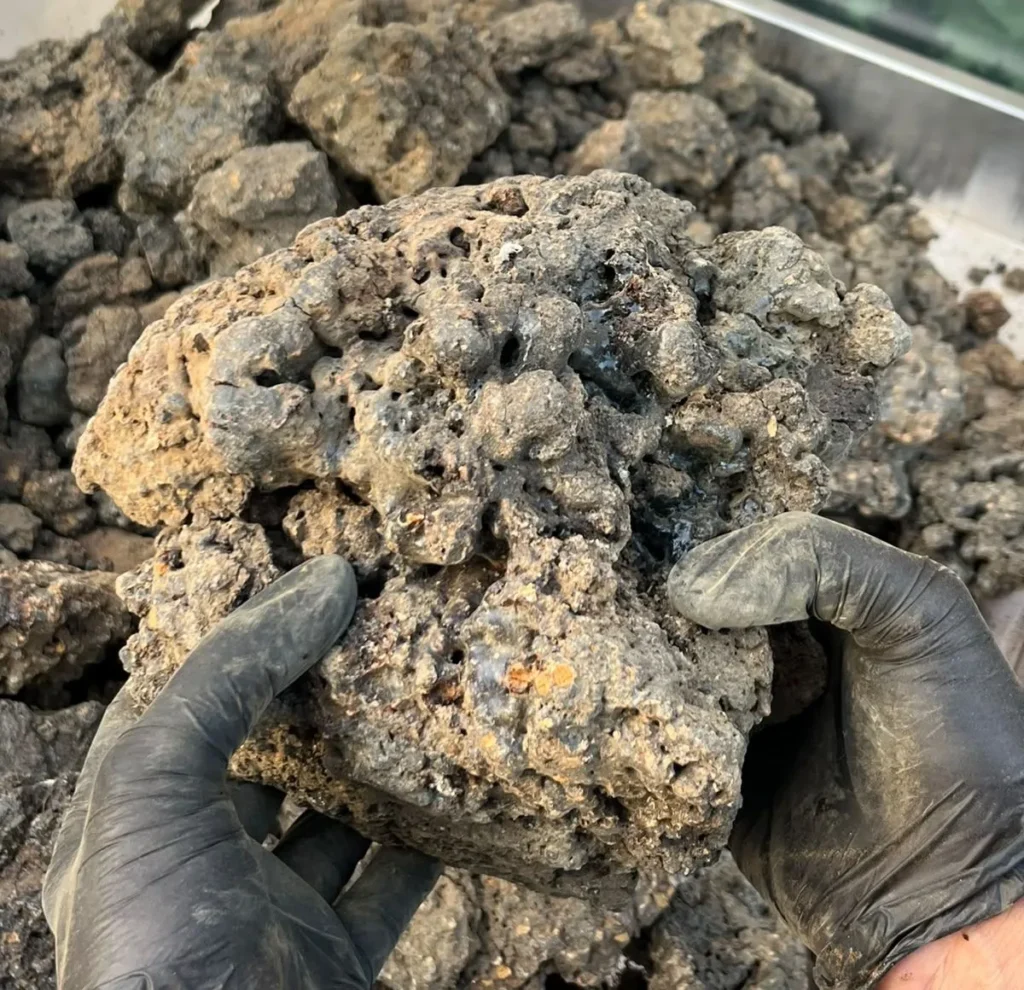
Rock collected in Skardu, Gilgit-Baltistan, is hand-sorted into gold grade and low grade Danedar. Each piece is broken and checked again for hidden Danedar. Gold grade rock turns dark when water is poured over it.
Soaking
The broken gold grade rock soaks in water in stainless steel tubs, so the shilajit dissolves out of the stone.

First filtration
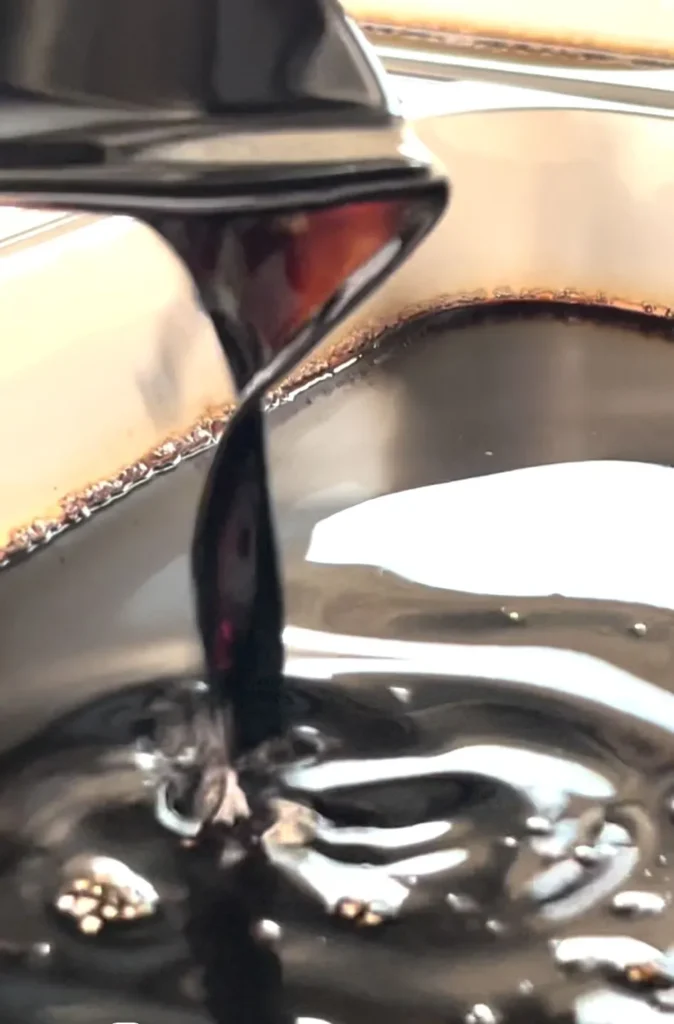
Sediment sinks to the bottom. The liquid (arq) is pumped from tub to tub and passed through single-layer muslin cloth.
Second filtration
A second pass through double-layer muslin cloth. The residue is discarded.
Modern purification
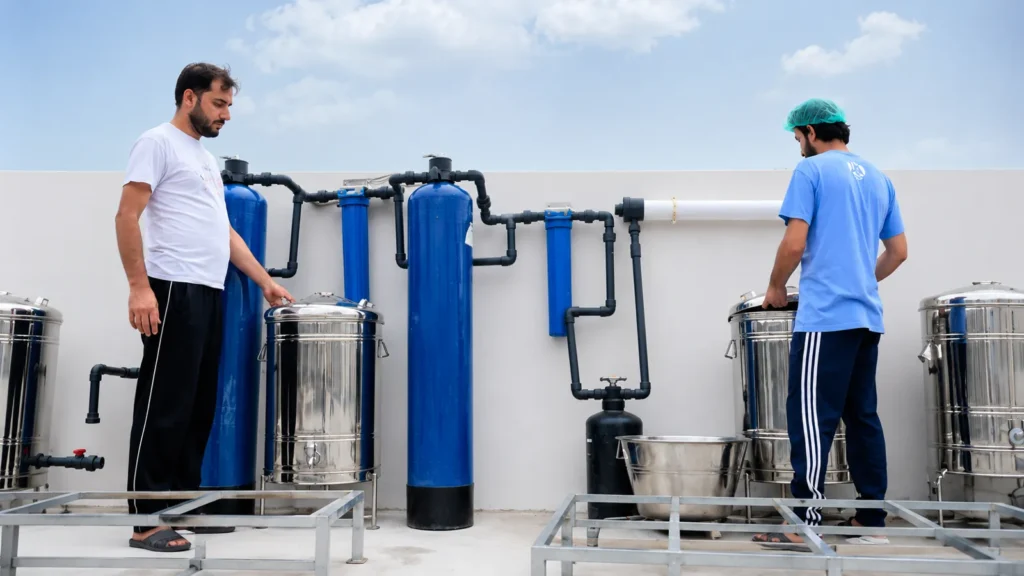
The liquid passes through modern purification that removes sediments, heavy metals and bacteria.
Sun-drying
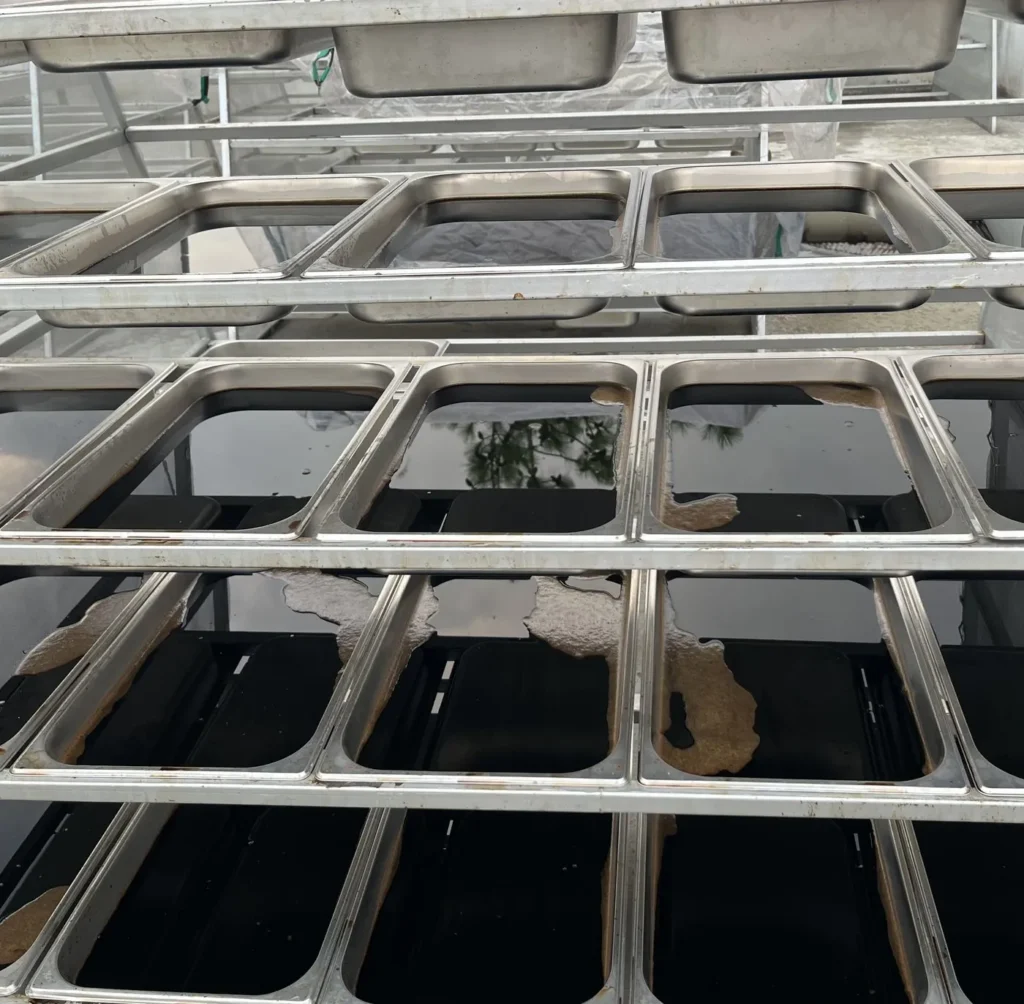
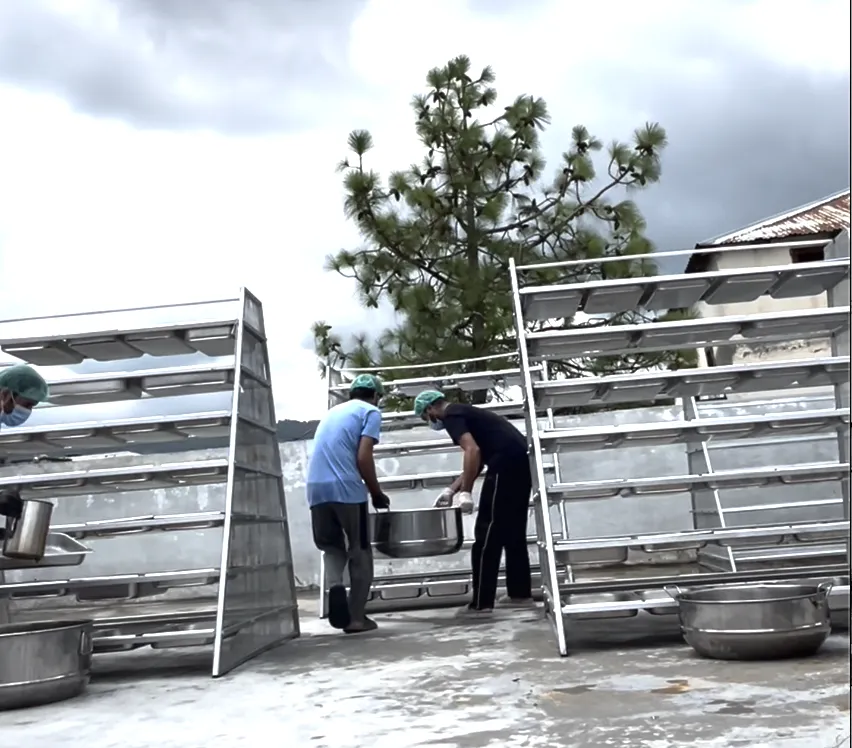
The liquid is poured into trays and placed in frames for weeks of slow sun-drying. The frames are enclosed but open to sunlight. No fire and no steam are used; after drying there is only a gentle pasteurisation below 60°C.
Packing and lab testing
Finished resin is packed in a closed environment away from sunlight, and a sample from every batch goes to a third-party lab. The report travels with your order.
Why we only sun-dry
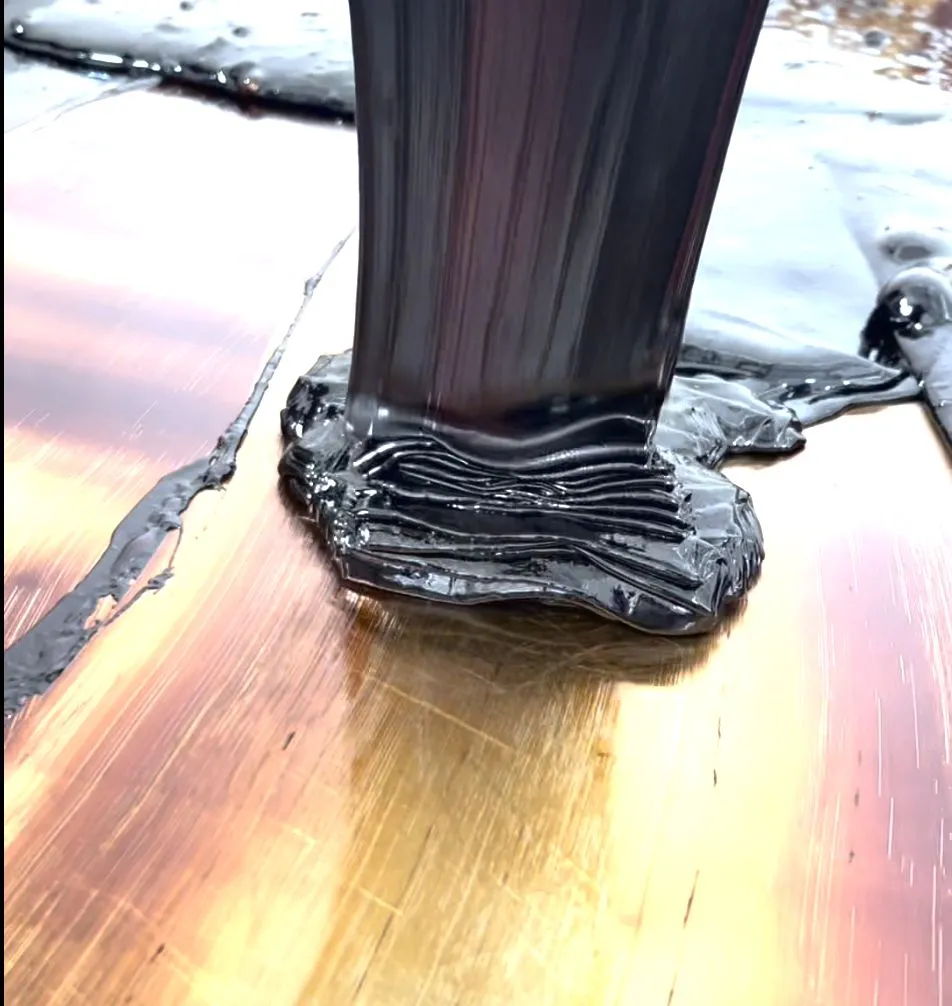
Traditional makers name two ways of drying shilajit. Aftabi is sun-dried: slow, and traditionally preferred. Aatashi is dried over fire or steam: fast, and considered inferior. Same rock, different shilajit.
Sun-dried resin is naturally more bitter, softer and slightly runnier than heat-processed resin. If a supplier's resin is very firm and mild, ask how it was dried.
Questions about how shilajit is made
Shilajit rock is collected from high-altitude mountain areas. Ours comes from Skardu, Gilgit-Baltistan, and is hand-sorted so that only gold grade rock is used.
The rock is soaked in water, filtered twice through muslin cloth, then passed through modern purification that removes sediments, heavy metals and bacteria, before weeks of sun-drying.
Between 35 and 60 days depending on the weather. Our filmed batch took 43 days.
Sun-dried only (Aftabi). No fire or steam is used, only a gentle pasteurisation below 60°C after drying.
Raw shilajit is the unpurified rock with shilajit inside it. Good gold grade rock is mostly shilajit with some mud and stone; low grade rock carries much more impurity, which is why we sort and purify before anything is sold.
Yes. The full 43-day process is on video on this page, and we share production photos and batch documents with buyers.
Tell us your volume. We will send real numbers.
Grade, quantity, destination and packaging. That is all we need to come back with pricing, lead time and a batch report you can hand to your QA team.