

How to Choose a Shilajit Supplier: 12 Questions to Ask
Most shilajit problems start with the supplier, not the customer. These twelve questions separate manufacturers who can show their work from traders who cannot. Ask them in writing, and keep the answers on file.
Origin and raw material
1. Which exact region does the rock come from?
“Himalayan” on its own tells you nothing. A real supplier names the area. Ours is Skardu, Gilgit-Baltistan, in northern Pakistan.
2. Is the rock hand-sorted, and what happens to low grade rock?
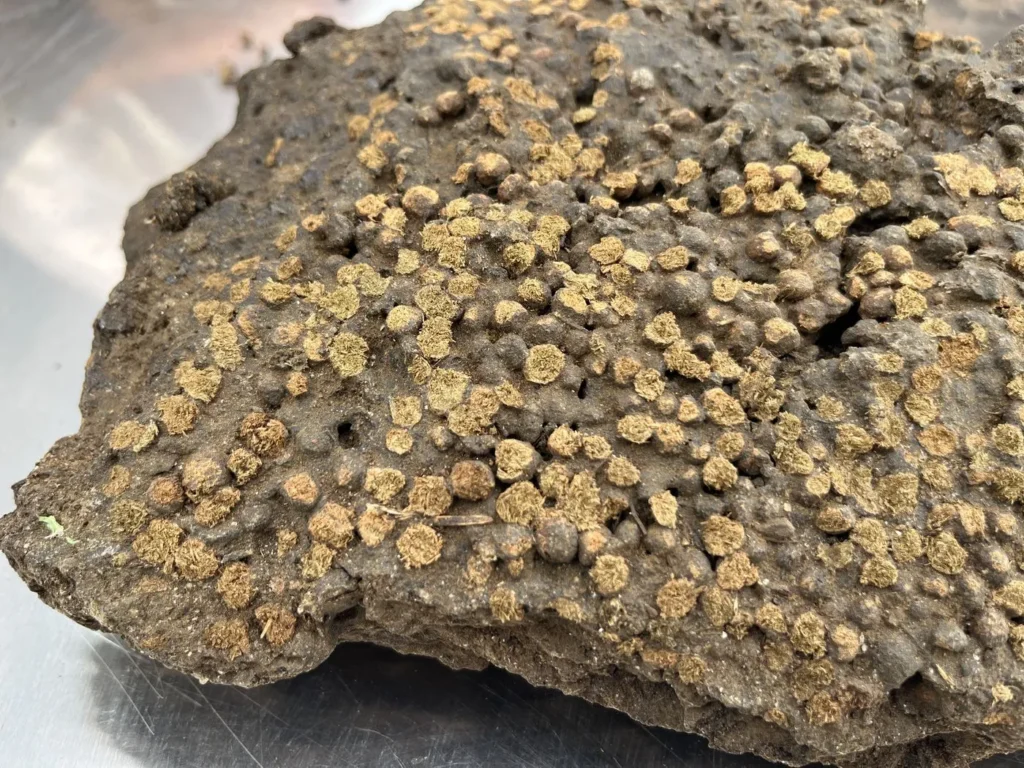
Low grade Danedar rock is contaminated with droppings from pikas and flying squirrels. It should be rejected, not blended in. Gold grade rock darkens when water is poured over it.
3. Do you make it yourself, or buy finished resin?
Traders cannot answer process questions with confidence. Ask to see the facility, or video of a real batch from rock to resin.
Process
4. Is it sun-dried, or dried over fire or steam?
Sun-dried (Aftabi) shilajit is slow to make and traditionally preferred. Fire or steam drying (Aatashi) is faster and considered inferior. Our guide to sun-dried and heat-dried shilajit explains the difference.
5. How long does one batch take?
Sun-dried batches take weeks, not hours. Ours take 35 to 60 days depending on the weather.
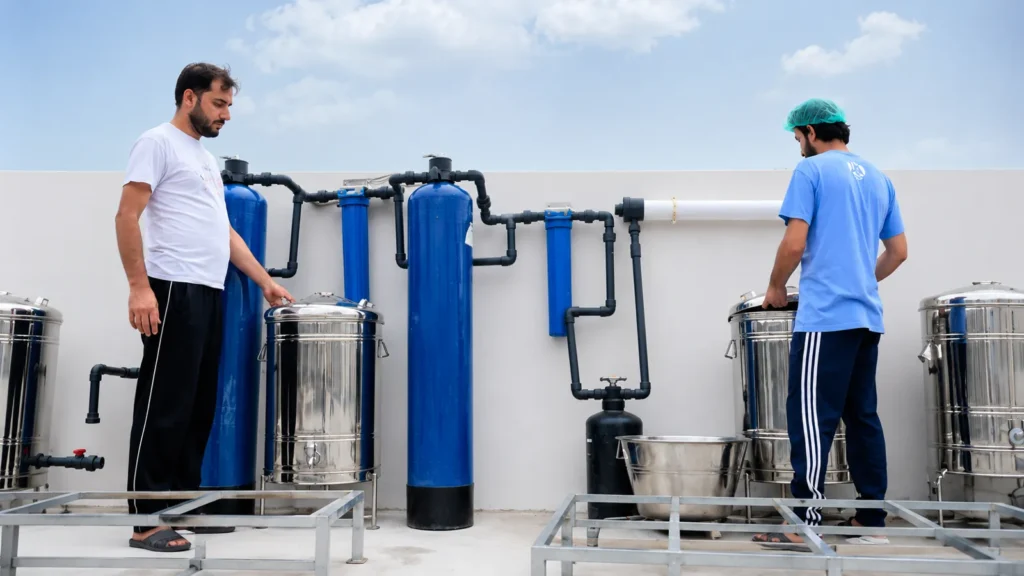
6. How is it purified?
Cloth filtering removes grit but not heavy metals. Ask what does, and check the result in the heavy metal numbers on the report.
Testing
7. Which labs test it, and is there a report for every batch?
Ask for the lab names and whether the lab is accredited to ISO/IEC 17025, the international standard for testing laboratories. One old report reused for every shipment is not enough.
8. Are heavy metals shown as real numbers with detection limits?
Lead, arsenic, cadmium and mercury should be reported as numbers, with the detection limit next to any “ND” (not detected). A bare “pass” tells you little. Our guide to reading a shilajit lab report explains each line.
9. Which method was used for fulvic acid?
Results depend on the method. One of our samples read 82%, 56% and 61% fulvic acid at different US labs. A believable, method-backed number beats a spectacular one.
10. Do the numbers change from batch to batch?
Nature is never perfectly consistent. If every report shows identical heavy metal and fulvic acid figures, the product may be synthetic or so heavily processed that little natural material is left.
Commercial terms
11. What are the minimum order, lead time and payment terms?
Get them in writing before you compare prices. Ours: bulk from 1 kg; about 12 days from stock and 3 to 5 weeks for private label; 50% in advance, 25% before dispatch and 25% on receipt.
12. Can I test a paid sample at my own lab first?
A supplier confident in its product will say yes. Our sample kit is credited against your first bulk order.
Red flags
- “100% pure” claims with no named lab behind them
- One old lab report used for every batch
- A price far below the rest of the market
- No clear answer on origin or drying method
- Resin that leaves sediment in warm water after 48 hours
Ask us all twelve. We will answer in writing, share the current batch report and show you the process on video. Request a quote or see our 43-day process.
Based on the testing described in What Your Shilajit Warning Label Won’t Tell You by Dr. M. Imran.