
How to Spot Fake Shilajit: 7 Checks for Bulk Buyers
Fake and low grade shilajit is common in bulk trade. Before building our own facility, Dr. M. Imran tested shilajit from across the market and found rock from the wrong country, fulvic acid made from coal, and fillers that were never on the label. These are the checks that catch them, whether you buy 1 kg or a container.
1. Ask exactly where the rock comes from
“Himalayan” on its own tells you nothing. Shilajit comes from at least eight regions, including the Himalayas, Karakoram, Hindu Kush, Pamirs, Altai, the Rockies and Somalia, and each has its own profile. Cheap Somali rock makes up a large share of regional supply and is often sold as Himalayan. A real supplier can name the area and the harvest window. Ours is Skardu, Gilgit-Baltistan.
2. Ask how the rock is graded
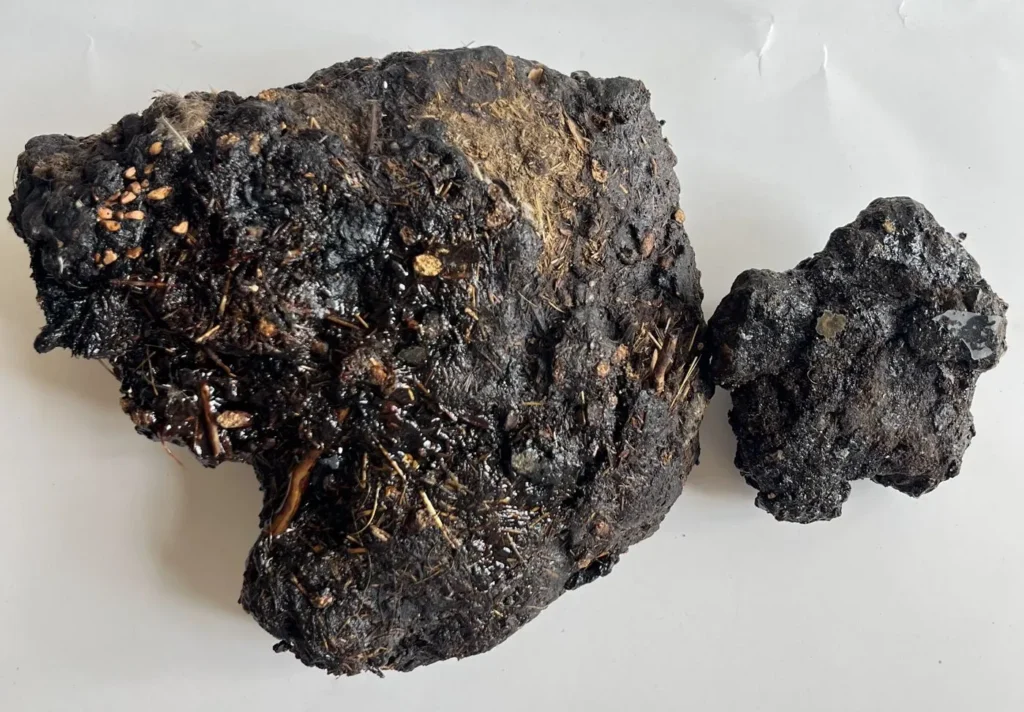
Low grade Danedar rock is contaminated with droppings from pikas and flying squirrels, and its resin smells of it. Gold grade rock is denser and darkens when water is poured on it. Ask whether rock is hand-sorted and what happens to rejected rock.
3. Ask how it was dried
Sun-drying (Aftabi) takes weeks and is traditionally preferred. Fire or steam drying (Aatashi) takes hours and is considered inferior. Sun-dried resin is more bitter, softer and slightly runnier than heat-processed resin, which is very firm and mild. Our guide to sun-dried vs heat-dried shilajit explains the difference.
4. Do not trust fulvic acid alone
Fulvic acid made from brown coal (lignite) or peat is cheap and can push a lab number up. In our own testing, one shilajit sample read 82%, 56% and 61% fulvic acid at three different labs. Ask which method was used and look at the whole report, not one figure.
5. Look for fillers
Glucose, apricot, mulberry, aloe (musabbar), mineral oil and dye all turn up in products sold as pure shilajit. In 2026 a German state laboratory tested 12 shilajit products and suspected three contained little or no shilajit, while four contained mineral oil. For powder, capsules and gummies, ask for the shilajit content per serving and a batch report.
6. Read the lab report properly
A useful report shows lead, arsenic, cadmium and mercury as real numbers with detection limits, plus microbiology, fulvic and humic acid with the method named, and the lab name, batch number, report number and date. Reports that show identical numbers batch after batch are a warning sign. Our guide to reading a shilajit lab report explains each line.
7. Test a sample yourself
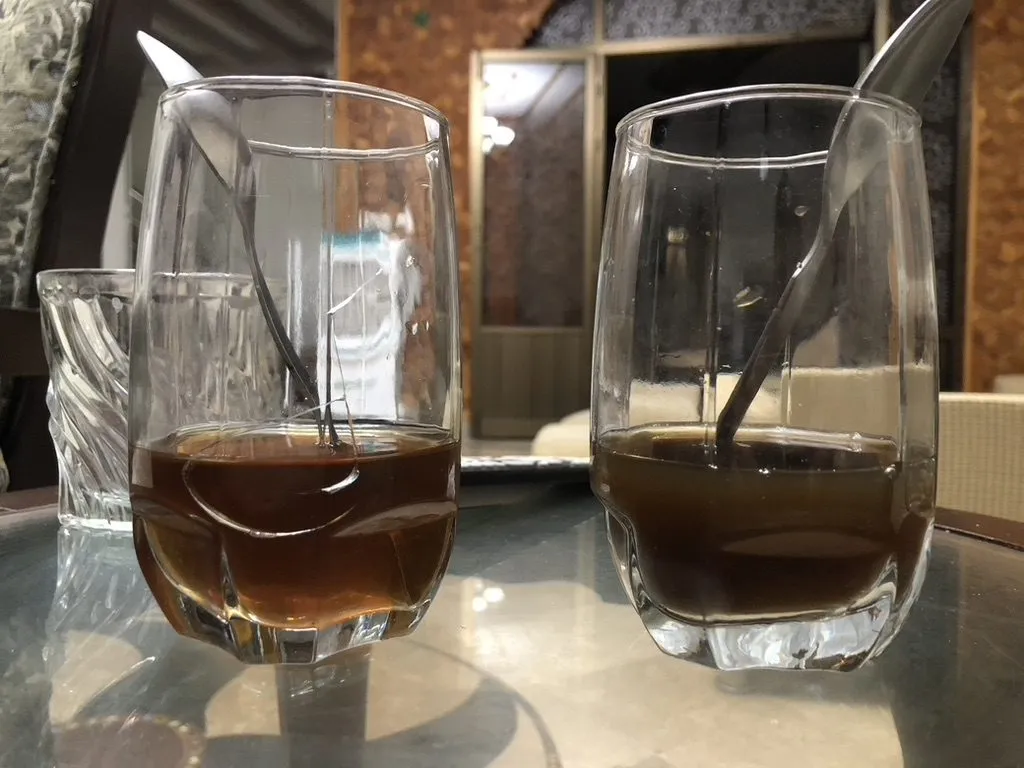
Real resin dissolves fully in warm water and turns it a clean reddish-brown, with no sediment after 48 hours. Then send the sample to your own lab before ordering in bulk.
Why price is a clue
Genuine Himalayan gold grade rock costs many times more than low grade rock, and fake shilajit made from coal resin and synthetic fulvic acid can be produced for around a dollar per finished 30 g jar. A bulk price far below the market usually has a reason. See what drives the wholesale price of shilajit.
Buying shilajit in bulk? We supply sun-dried Himalayan shilajit from 1 kg with a third-party lab report for every batch. Request a quote or order a paid sample kit, credited against your first order.
Based on the testing described in What Your Shilajit Warning Label Won’t Tell You by Dr. M. Imran.