

Sun-Dried vs Heat-Dried Shilajit: Aftabi and Aatashi Explained
In the Pakistani Himalaya, shilajit is described by how it was dried. Aftabi means sun-dried. Aatashi means dried with fire or heat, often steam. The rock can be identical, but the two methods give two different products, and bulk buyers are rarely told which one they are getting.
What Aftabi (sun-dried) means
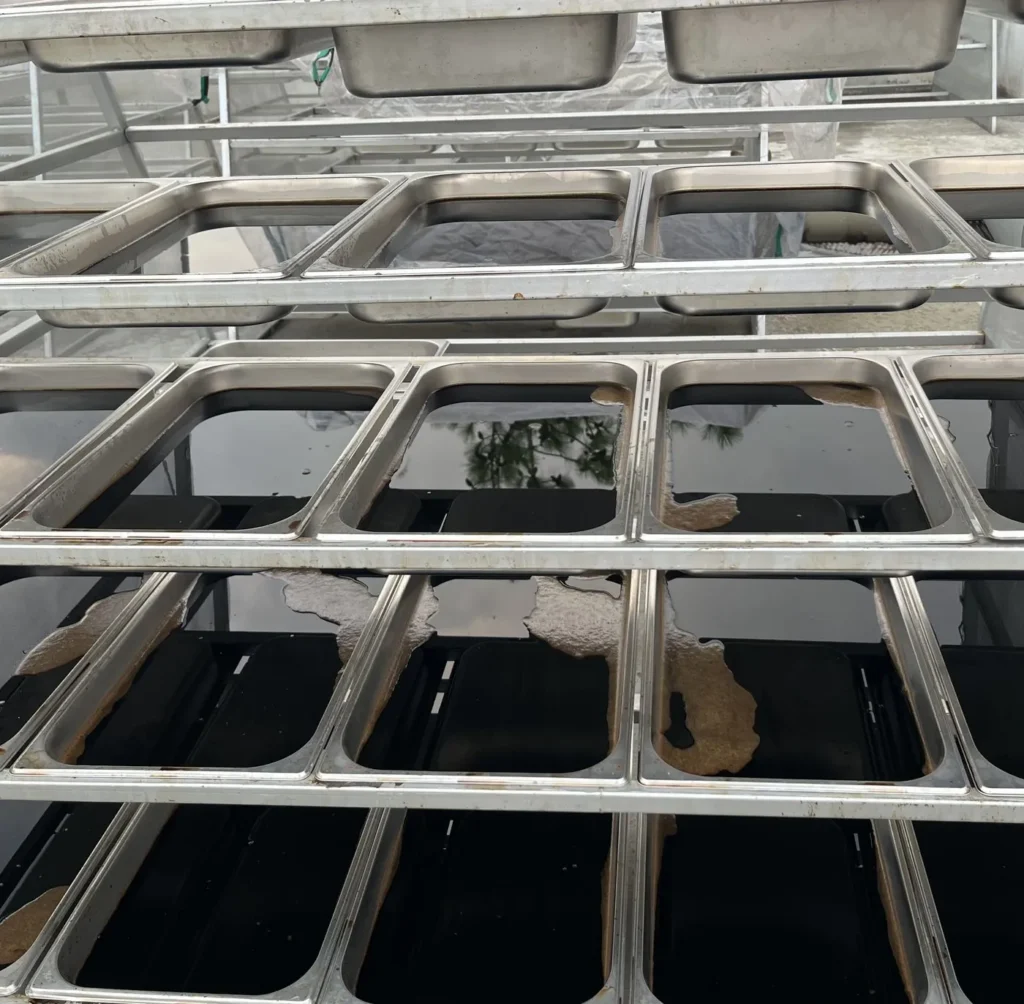
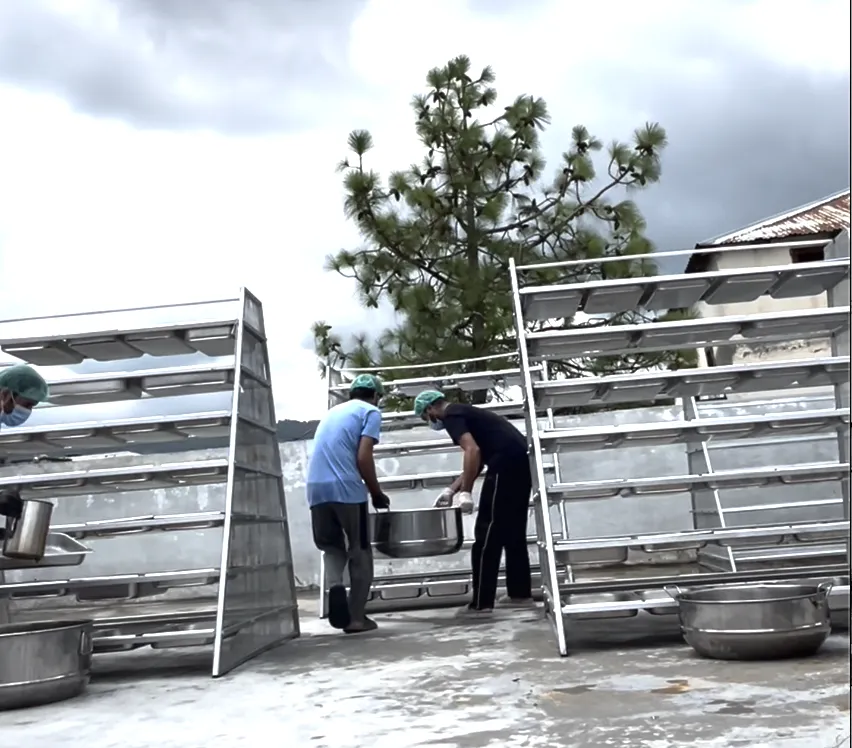
After the rock is soaked and the liquid filtered, Aftabi shilajit is poured into trays and dried slowly by the sun. It takes weeks. Our batches take 35 to 60 days depending on the weather, and the batch we filmed from rock to resin took 43 days. The method is slow and traditionally preferred.
What Aatashi (heat-dried) means
Aatashi shilajit is concentrated quickly over fire or with steam. It can turn the liquid into resin in hours rather than weeks, so it is cheaper and faster to produce. It is traditionally considered inferior. Steamed or fire-cooked shilajit is not the same material as slow, sun-dried shilajit, even when both come from the same rock.
How to tell them apart
Sun-dried resin is more bitter, softer and slightly runnier than heat-processed resin, which tends to be very firm and mild. Texture and taste are clues, not proof, so ask the supplier directly and ask to see the drying area or video of a real batch.
| Feature | Aftabi (sun-dried) | Aatashi (heat-dried) |
|---|---|---|
| Drying | Slowly in the sun, in trays and frames | Over fire or with steam |
| Time | Weeks (35 to 60 days for our batches) | Hours |
| Texture | Softer, slightly runnier | Very firm |
| Taste | More bitter | Milder |
| Tradition | Preferred | Considered inferior |
Why it matters to a brand
Customers increasingly ask how their shilajit was made. “Sun-dried” is a claim you should only print if your supplier can show it. Ask for it in writing, with photos or video of the batch, and check that the drying time the supplier gives you is weeks, not days.
How we make it
We only sun-dry. Gold grade rock from Skardu is sorted by hand, soaked in stainless steel tubs, filtered twice through muslin cloth, purified to remove sediments, heavy metals and bacteria, then sun-dried in frames. The only heat is gentle pasteurisation below 60°C after drying. The full process is on video on our process page.
Looking for sun-dried shilajit in bulk? We supply Aftabi shilajit resin, liquid and powder from 1 kg, and finished products under your label. See bulk resin or request a quote.
Based on the testing described in What Your Shilajit Warning Label Won’t Tell You by Dr. M. Imran.