

Shilajit Wholesale Price: What Drives the Cost per Kilo
Bulk shilajit is offered at prices that differ by ten times or more. The gap is rarely about margin. It comes from the rock, the process and the testing behind each kilo. Here is what drives the price, so you can compare quotes on equal terms.
1. The rock: the biggest cost difference
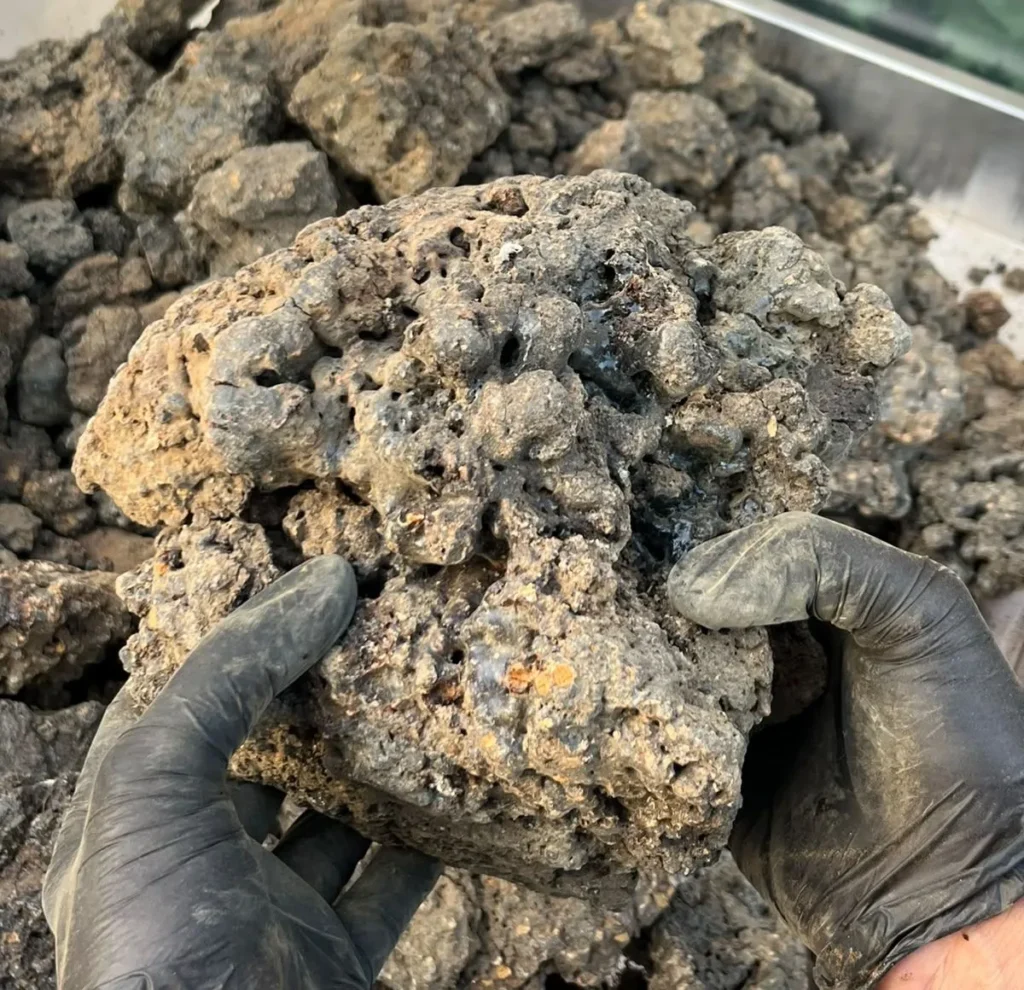
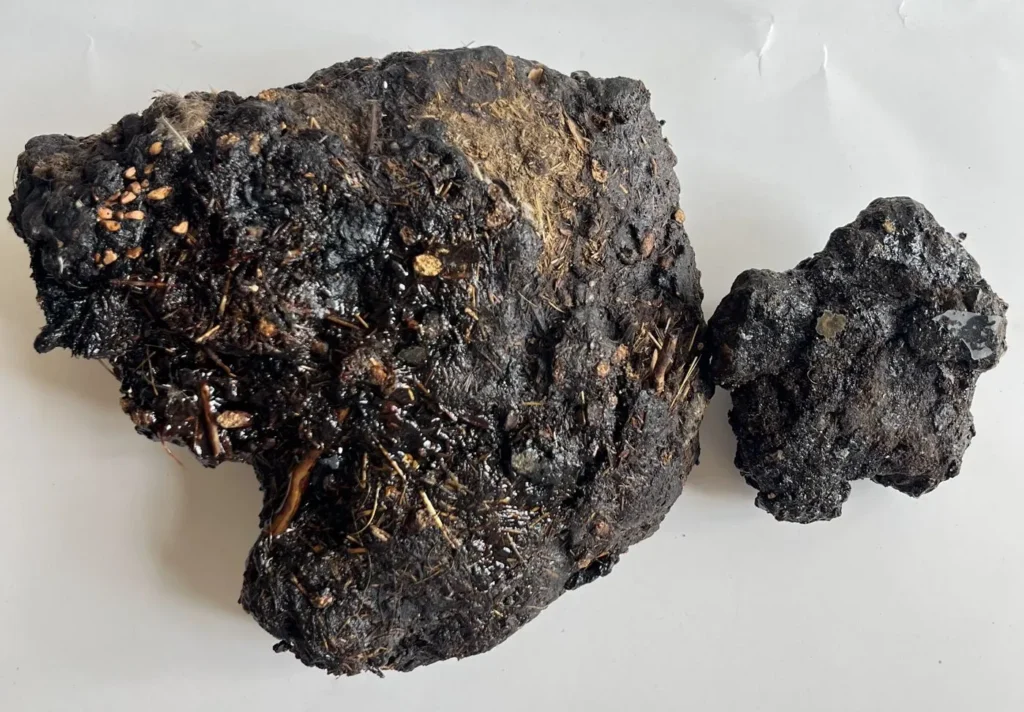
Raw rock prices vary enormously. In Dr. M. Imran’s experience, Himalayan gold grade rock costs about $40 to $50 per kilogram, while Somali rock sells for around $1.27 per kilogram, roughly 30 to 40 times less. Low grade Danedar rock, contaminated with animal droppings, is also far cheaper than gold grade. A supplier working from cheaper rock can undercut almost anyone, and much of that rock is still sold as “Himalayan”.
2. The drying method
Sun-drying (Aftabi) takes weeks per batch and needs space, drying frames and labour. Our batches take 35 to 60 days depending on the weather. Fire or steam drying (Aatashi) turns the liquid into resin in hours, which makes it cheaper and faster to produce. That difference shows up in the price per kilo.
3. Purification
Cloth filtering removes visible grit. Removing sediments, heavy metals and bacteria takes a further purification stage, with its own equipment and time. Ask every supplier what purification they use, then look for the result in the heavy metal numbers on the lab report.
4. Testing
A third-party report for every batch costs money, especially when it covers heavy metals, microbiology and fulvic and humic acid. A supplier who tests once a year, or reuses one old report for every shipment, saves that cost and passes the risk to you.
5. Volume and format
Price per kilo falls as volume rises. Our tiers are 1 to 24 kg, 25 to 99 kg and 100 kg and above, with contract pricing beyond that. Finished formats such as gummies, capsules, honey sticks and drinks are priced per unit, because packaging, filling and other ingredients add cost.
6. Packaging, documents and shipping
Food-grade bulk packs or filled jars and tins, labels, the certificate of origin and freight to your country all change the landed cost. Compare quotes on the same packaging, delivery point and shipping method.
When a price is too low
On a major online wholesale marketplace, Dr. M. Imran found “shilajit” at $20 to $30 per kilogram in bulk, or about $1.20 to $1.30 for a finished 30 g jar with a spoon and box. A US colleague who has analysed Rocky Mountain shilajit for 20 years reported that it was not shilajit at all, but material extracted from brown coal and spiked with synthetic fulvic acid. It produced very clean lab reports.
In another test, the cheapest of six samples sent to a US lab, at $26 per kilogram, had the best heavy metal results. It had reportedly been diluted with fruit extract, glucose and musabbar (aloe), so there was simply less shilajit in it. Clean numbers on their own do not prove quality.
How to compare shilajit quotes
- The same origin and grade: ask for the exact region and whether the rock is hand-sorted.
- The same drying method: sun-dried or heat-dried.
- A current batch report from a named third-party lab, with heavy metals as real numbers.
- The same volume tier, packaging and delivery terms.
- A paid sample you can test at your own lab before ordering in bulk.
Want a quote you can compare? Tell us the format, volume and destination and we will reply with pricing, lead time and the current batch lab report. See our wholesale price tiers or request a quote.
Based on the testing described in What Your Shilajit Warning Label Won’t Tell You by Dr. M. Imran.